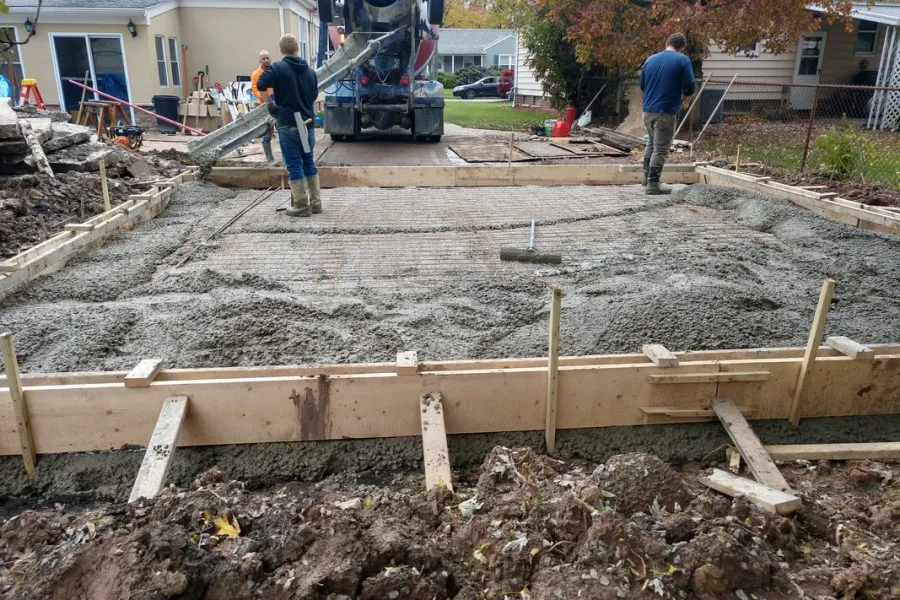
Shared driveways are common on Oakland's narrow flatland lots, where one strip of concrete serves two houses and their rear garages. Who pays depends on the recorded documents. This page is general information, not legal advice.
Who pays for a shared driveway?
The owners who use it pay, in the shares their written agreement sets. Check your title report for a recorded easement or maintenance agreement. Where an easement exists with no agreement, California Civil Code section 845 says the cost of keeping a private right of way in repair is shared in proportion to each owner's use. If the shared driveway is really two strips on two lots with no easement at all, each owner maintains their own strip unless they agree to do it together.
My neighbor will not pay. Can I replace only my half?
In practical terms yes: the slab can be sawn along the lot line or a joint and one half replaced alone. Whether you are entitled to depends on the easement. You generally cannot block the neighbor's access for long, and you should give written notice of the dates. Expect a visible color difference, and ask for dowels across the cut so the two sides stay flush. Civil Code section 845 also sets out a way to demand and recover a share of repair costs for an easement. An attorney can tell you if it applies.
Can a contractor's trucks use a shared driveway?
Only with the other owner's agreement, unless your easement clearly allows it. Concrete trucks are very heavy and can crack an old slab, so we keep trucks in the street where possible and pump or wheel the concrete in. We also photograph the driveway before work and agree with both households on the days it will be closed.
What should neighbors agree on before replacing a shared driveway?
- The scope: full replacement or only the failed panels.
- The split of the cost, and who signs the contract.
- Where each household parks while the concrete cures, usually about a week.
- The finish and whether drainage will change.
- Who handles the City permit if the approach or sidewalk is included.
Put it in a short signed note. It avoids arguments later and helps when either house is sold.
Does the California Good Neighbor Fence Act cover driveways?
No. That law, Civil Code section 841, is about boundary fences. Driveway costs follow easements, recorded agreements and section 845.
The driveway is all on my neighbor's lot but I have always used it. Do I have rights?
Possibly, but that is a legal question we cannot answer. Long use can sometimes create an easement under California law, and the tests are specific. See a real estate attorney before spending money on concrete you may not control.
The only real price for your job comes from a free visit, a tape measure and a written quote. Call (510) 694-1913 or text us a photo of the area.